
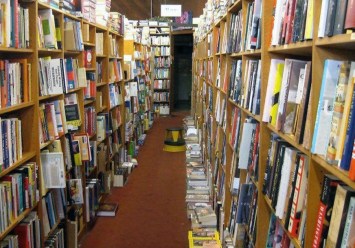
Chaucer’s Bookstore, Santa Barbara
When I sit down to read, Sophie gets scared. She’s unfamiliar with the scenario. What is that bound stack of papers receiving my attention? She’s especially unnerved by the whoosh of air as I turn the pages.
Over the years, I have made excuses for not being a more ardent reader:
- I did a lifetime’s worth of reading as an English major in college.
- When I was doing a lot of editing, I read manuscripts all day; I didn’t want to spend my free time doing the same. (Does a barista want to make coffee when she gets home?) Moreover, when I did read for pleasure, I didn’t enjoy it; I was always looking for errors.
- I wanted to be a content provider not a content consumer. I wanted to be the comedian, not the person who goes to a comedy show.
In his classic guide Writing in General and the Short Story in Particular, former Esquire fiction editor Rust Hills proposes that a beginning writer could learn more from books about how to read literature than from books about how to write short stories. Taking my cue from him, over the last several months, I have semi-voraciously consumed short fiction, the genre that is my current focus.
Following are lessons about writing short stories that I have gleaned from my reading, by source. These personal takeaways are based less on analysis than on casual observation.
The Best American Short Stories, 2015

Lesson 1: Negative is positive. Troubled characters are interesting. Be disturbing, dystopian. Make the reader uncomfortable. Show how challenging it is to be human.
The New Yorker
Lesson 2: Go deep, not wide. Concentrate on a single occurrence or a limited series of events. Adhere to Aristotle’s unity of action, place, and time. Plunge into characters’ psyches and motivations.
Philip K. Dick
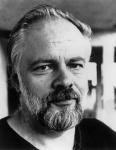
Lesson 3: Plot meticulously. Keep the action moving forward, continuously engaging the reader as each scene follows logically on the last. Use details that mean something.
O. Henry
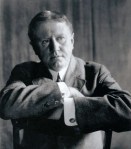
Lesson 4: Shatter expectations and assumptions, after setting them up. Give the reader the delight of being surprised. (Bonus lesson: Be irresistibly droll.)
Jacob M. Appel, Einstein’s Beach House
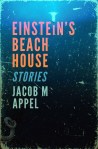
Lesson 5: Craft your language. A short story has limited real estate. Choose your words carefully, lovingly. Avoid unnecessary repetition. Make each syllable count.
Stephen King

Lesson 6: Don’t trim all the fat. Marbling adds flavor to the meat. Let the narrative and dialogue flow naturally. Don’t edit the life out of them.
People write for approximately a million reasons. They write to inspire, educate, or entertain; to sort out feelings, share beliefs, or express a passion; to connect with others, be a positive influence, or change the world; to gain fame or leave a lasting mark on the planet. I can identify with all of these motivations.
Mostly, though, I want to write so that someone else can read.
 Novel-Gazing