
Here is where you are going to think I am totally mad or a genius, or possibly the entertaining hybrid mad genius. As I mentioned in an earlier post, I needed help developing characters. So I dug up a handout from the writer’s boot camp I attended several years ago. It included an “emotional development profile,” which called for the following information about a character: name, overall goal, obstacles, what he or she stands to lose, flaw, strength, hates, loves, fears, dream, and secret.
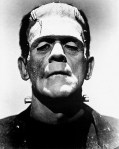 Intellectually, it made sense that a character would be the composite of, well, characteristics. But even if I was able to contrive a character from different traits, would I end up with a well-rounded figure—or Frankenstein’s monster? Is a character constructed from analyzed parts similar to a creature built in a laboratory? After breathing life into my precious creation, would I accept it as pleasingly human—or disavow it in horror, like the mad genius Victor Frankenstein?
To avoid such a terrible scene, I wondered if there might be a more holistic approach to character development, one that started with the whole rather than the parts. Over the last few years, I have been exposed to various systems for understanding myself and others. I am open-minded about these systems; if they work, I don’t necessarily question how or why. Here are some of my favorite tools for gaining insight into people’s personalities and motivations:
- Archetypes. In Jungian psychology, archetypes are unconscious ideas or thought patterns that are inherited collectively and present in individual psyches.
 Numerology. According to numerology, a person’s name and birthdate possess specific vibrations that directly influence his or her individuality and life purpose.
- Enneagram. The enneagram (from the Greek ennea, meaning “nine”) outlines nine basic personality types and their complex interrelationships.
- Astrology. Unless you’re from another planet, you are already familiar with the study of how heavenly bodies influence human affairs.
- Face reading. Chinese face reading teaches that your facial features carry messages about your true nature.
- Ayurveda. This system of traditional medicine from India stresses a balance of elemental energies or humors, which define a person’s temperament and qualities.
If I applied these constructs to my characters, I would know their reactions to any situation, thereby creating further situations—which, I think, makes a plot!
For example, how would someone with the Bully archetype deal with rejection? How would a person with a 5 life path, the Adventurer, react to being imprisoned? What would the enneagram’s Loyalist do upon discovering a horrible secret about her spouse? Would an Aries and a Cancer have a successful romantic relationship? How would an individual with twinkling eyes, peaked eyebrows, dimples, and freckles (the fiery Fun Lover) respond to a structured routine? How would someone with the Kapha dosha function in cold, damp weather? Really, it’s almost cheating.
Of course, the challenge will be figuring out what the Trickster-Teacher-Peacemaker-Pisces-Perfectionist-Pitta would do . . .

 Novel-Gazing